
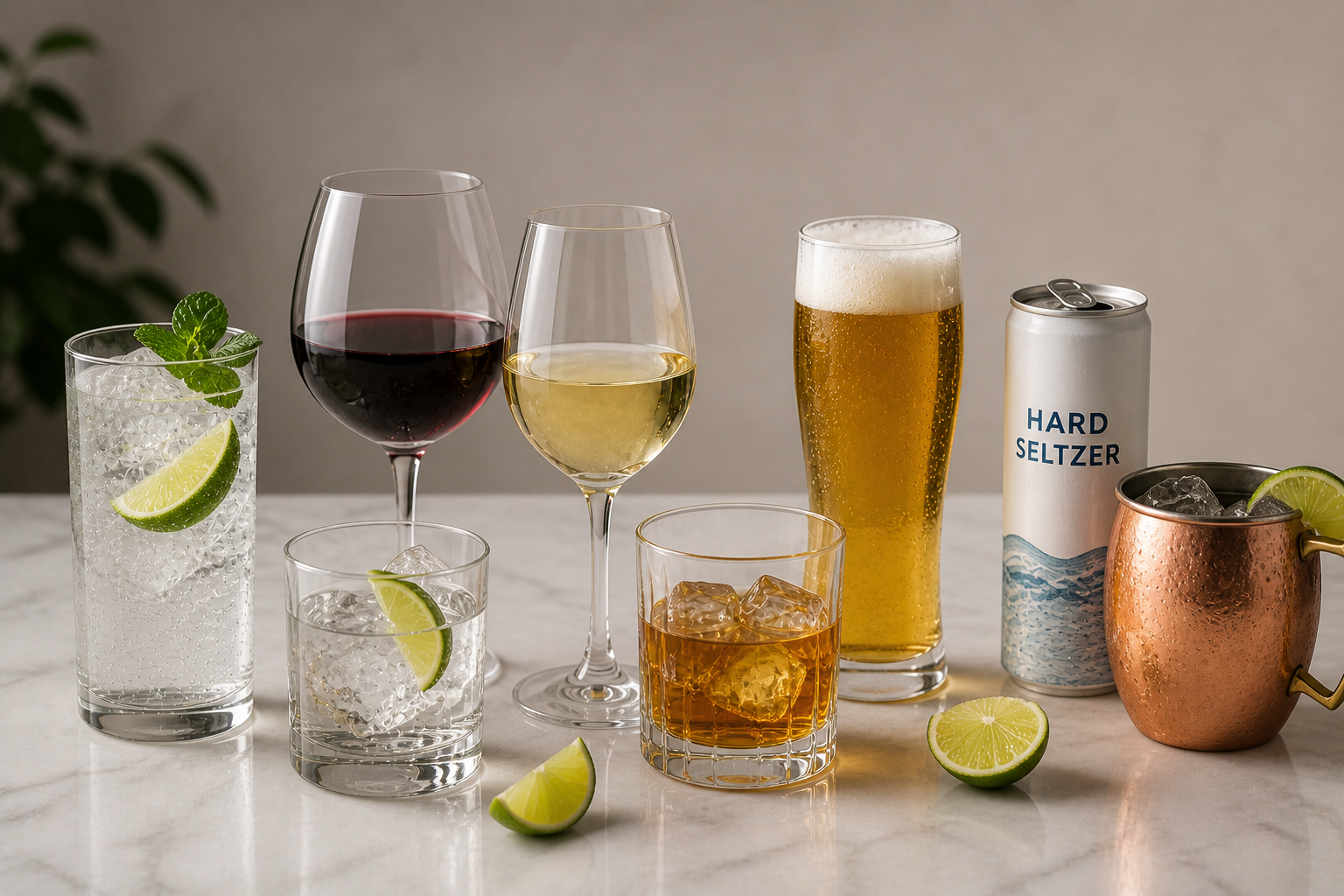
How To Enjoy a Drink Without Completely Derailing Your Progress
Let’s be honest. Someone can eat well all week, train consistently, stay active, and make solid progress toward their goals, only to watch an entire weekend of heavy drinking completely disrupt momentum.
The problem is not simply the calories from alcohol itself. The bigger issue is what alcohol does to metabolism, hunger control, recovery, sleep quality, and food choices afterward. This is why many people notice they crave greasy food, snack more, sleep poorly, and feel inflamed or bloated after drinking.
The good news is that enjoying alcohol occasionally does not mean fat loss is impossible. The key is understanding how alcohol affects the body and learning which choices create the least metabolic disruption.
Why Alcohol Slows Fat Loss
Whenever alcohol enters the body, your metabolism shifts priorities immediately.
The body recognizes alcohol as a toxin, so the liver must focus on breaking it down and clearing it out before returning to normal metabolic function. While this is happening, fat burning slows down dramatically because the body temporarily places fat metabolism on the back burner.
At the same time, alcohol negatively impacts several other systems involved in body composition and recovery. Hunger and cravings often increase, blood sugar becomes more unstable, muscle recovery slows down, and sleep quality drops significantly. All of these factors together create an environment where overeating becomes much more likely.
This is why alcohol can quietly sabotage progress even if someone is training hard and eating relatively well during the week.
The Best Alcohol Choices for Fat Loss
If someone is going to drink, the goal should be minimizing sugar, minimizing excess calories, and avoiding ingredients that create additional blood sugar instability and cravings.
Clear Spirits
Clear spirits are generally one of the better choices because they contain very few calories, no carbohydrates, and no sugar when consumed plain.
Vodka, tequila, gin, rum, and whiskey all fall into this category when consumed in moderation. Most average around 95 to 110 calories per shot.
The real problem usually comes from the mixers, not the alcohol itself.
Mixing clear liquor with regular soda, juice, syrups, or sweetened mixers can easily turn a relatively low-calorie drink into a major blood sugar bomb.
Better mixer choices include:
• Soda water
• Diet tonic
• Fresh lime or lemon
• Sugar-free flavor packets or enhancers
One of the simplest lower-impact options is vodka, soda water, and lime.
Dry Wines
Dry red and white wines can also be reasonable choices when portions stay controlled.
Most dry wines contain roughly 120 calories per five-ounce serving and tend to have lower sugar content compared to sweeter varieties. Some wines also contain polyphenols and antioxidants, although that does not suddenly make alcohol a health food.
Better options include:
• Cabernet Sauvignon
• Pinot Noir
• Merlot
• Sauvignon Blanc
• Pinot Grigio
• Chardonnay
• Brut Champagne or Brut Prosecco
Sweeter wines such as Moscato, dessert wines, and sugary blends should generally be avoided if fat loss is the goal because the added sugar increases both calorie intake and blood sugar disruption.
Light Beer
For beer drinkers, lighter beers are usually a better option than heavy craft beers or IPAs.
Most light beers contain roughly 90 to 110 calories with fewer carbohydrates and less bloating potential compared to heavier beers.
Many craft beers and IPAs contain surprisingly high calorie and carbohydrate loads while also stimulating cravings and water retention more aggressively.
If someone enjoys beer occasionally, lighter options are usually the smarter metabolic choice.
Hard Seltzers
Hard seltzers have become popular for a reason. Many contain around 90 to 100 calories with relatively low carbohydrate and sugar content.
They also tend to be easier for portion control and are often less filling and bloating than beer.
The key is avoiding the heavily sweetened “fruit punch” style versions that contain added sugars and artificial syrups.
What To Avoid
Some alcoholic drinks are essentially liquid desserts and can create massive metabolic disruption very quickly.
Margaritas, pina coladas, daiquiris, and sugary frozen drinks are often loaded with syrups, sweeteners, juices, and excess calories. Some can easily contain 300 to 500 calories or more in a single drink.
Cocktails mixed with soda, sour mix, juice, cream liqueurs, or sugary flavorings can spike blood sugar aggressively while dramatically increasing calorie intake without providing any satiety.
Drinks like Long Islands, White Russians, and Mai Tais may taste great, but metabolically they create a perfect storm for fat storage, cravings, and overeating.
The Three Golden Rules of Drinking
If fat loss is still the goal, following a few simple rules can significantly reduce the damage alcohol creates.
First, keep intake moderate. Once drinking becomes excessive, fat burning drops significantly for hours and decision-making around food usually worsens.
Second, avoid combining alcohol with large amounts of sugar whenever possible. Alcohol plus sugar creates a major blood sugar and insulin response that promotes cravings, overeating, and fat storage.
Third, stay hydrated. Drinking water between alcoholic beverages can help reduce dehydration, improve appetite control, and lessen some of the negative aftereffects associated with alcohol.
Bottom Line
Alcohol will always slow fat loss to some degree because the body must prioritize processing it first. However, smarter choices can dramatically reduce the metabolic damage.
Clear spirits with low-calorie mixers, dry wines, light beers, and lower-sugar hard seltzers are generally much better options than sugary cocktails, frozen drinks, heavy craft beers, and high-calorie mixers.
The goal is not perfection. The goal is understanding how alcohol affects your biology so you can make better decisions without completely derailing your progress.