
You Can’t Unsee Some Things
There are some things in life that permanently change the way you see the world. Not because they happened to you personally, but because you’ve witnessed them so many times that the pattern eventually becomes impossible to ignore. Once you see it, you simply can’t unsee it.
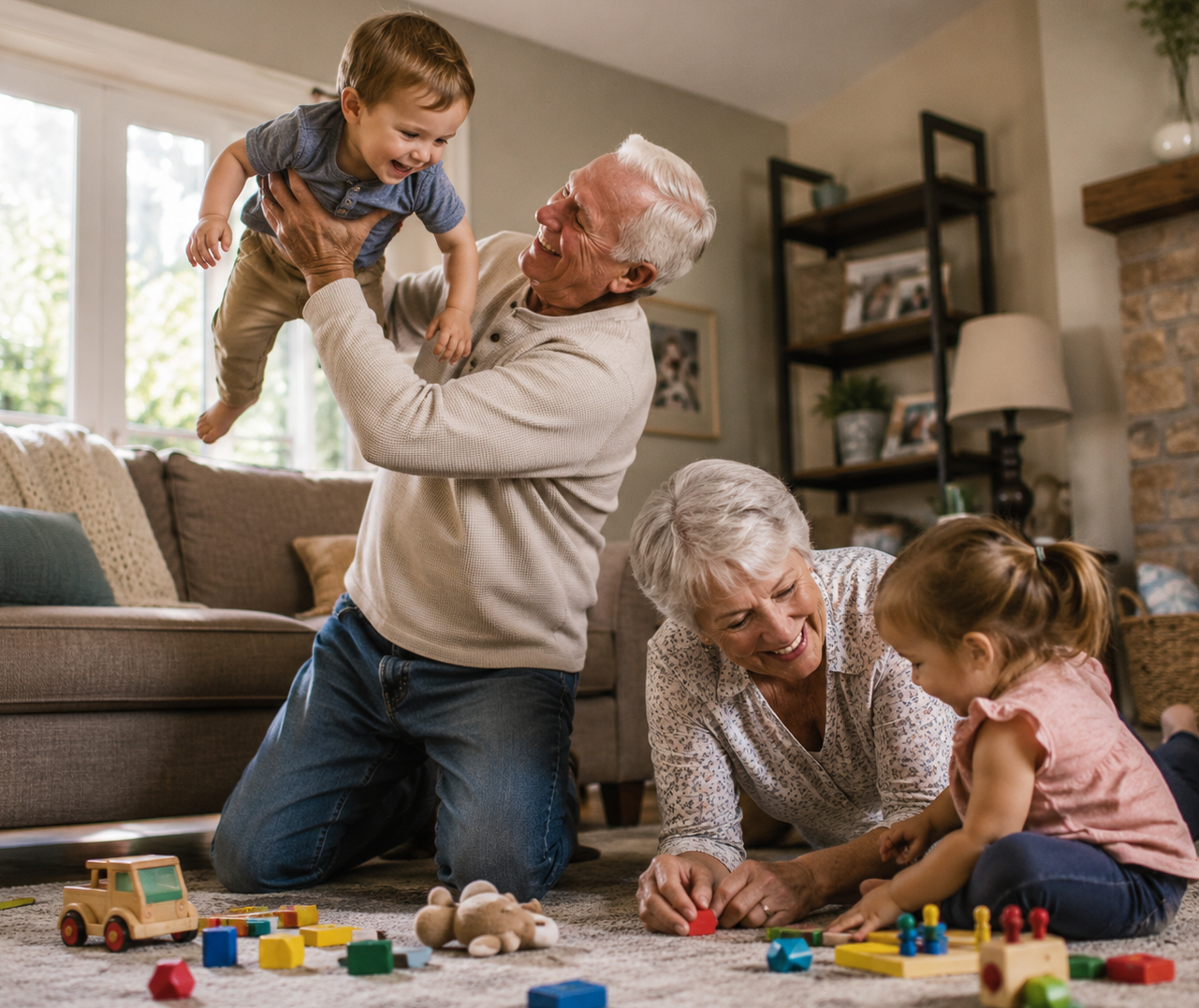
I’ve had the privilege of working with people from every walk of life. Some are in their seventies and eighties and still mow their own lawn, carry their own groceries, travel wherever they want, get down on the floor to play with their grandchildren, and stand right back up again without giving it a second thought. Others are twenty years younger and struggle to get out of a chair, lose confidence walking because they’re afraid of falling, or slowly reach the point where they can no longer live independently.
Watching those two very different paths unfold over the years has permanently changed the way I think about health and aging. It has also changed the way I define what it truly means to age well.
Most people assume the difference is simply genetics, luck, or the natural consequence of getting older. While each of those factors may influence how we age, they don’t fully explain why two people of similar age can have dramatically different levels of strength, mobility, and independence. The answer becomes much clearer once we understand what the body actually loses over time.
Independence Is Usually Lost Gradually
One of the greatest misconceptions about aging is that people suddenly lose their independence. In reality, independence is usually lost so gradually that most people never notice it’s happening. Small declines in muscle mass, strength, balance, endurance, mobility, and metabolic health often develop over many years. Individually, those changes may seem insignificant. Together, however, they slowly reduce the body’s ability to meet the physical demands of everyday life until activities that once felt effortless begin requiring considerably more effort.
Eventually, many families are forced to have one of the hardest conversations they’ll ever have.
“Mom can’t stay home anymore.”
“Dad needs more help than we can provide.”
Sometimes the answer is assisted living. Sometimes it’s in-home care. Sometimes a son or daughter rearranges their entire life to become a caregiver because there simply isn’t another option. Those conversations rarely occur because someone suddenly became incapable overnight. More often, they represent the end result of a gradual decline that has been unfolding for years.
Before going any further, it’s important to recognize that not every loss of independence can be prevented. Advanced neurological diseases, traumatic injuries, and certain genetic disorders can dramatically change a person’s life despite them doing everything right. That isn’t the type of decline I’m referring to. I’m referring to the gradual loss of physical capacity that often accompanies years of inactivity, declining muscle mass, worsening metabolic health, and the mistaken belief that becoming weaker is simply part of getting older.
Your Body Has More Capacity Than You Realize
One of the most important concepts in human physiology is something known as functional reserve. Although most people have never heard the term, understanding it helps explain why some individuals continue living independently well into their later years while others begin struggling with everyday activities much sooner.
Functional reserve is simply the amount of physical capacity your body has beyond what is required for everyday life. When you’re healthy and physically fit, climbing stairs, carrying groceries, walking through an airport, getting out of a chair, or playing on the floor with your grandchildren requires only a small percentage of what your body is capable of doing. Those activities feel relatively easy because your body possesses far more strength, endurance, balance, and metabolic capacity than they require.
As long as that reserve remains large, everyday life feels relatively effortless. It provides a margin of safety that allows you to meet the physical demands of daily living without giving those demands much thought.
What Happens When That Reserve Begins to Shrink?
The demands of everyday life don’t change very much as we age. A flight of stairs is still the same flight of stairs. Your groceries don’t become heavier, and your grandchildren don’t suddenly become more difficult to pick up. What changes is the body’s ability to meet those demands.
As muscle mass and strength gradually decline, everyday activities begin requiring a greater percentage of the physical capacity you have remaining. At the same time, reduced physical activity often accelerates the loss of muscle, balance, endurance, and metabolic health, causing your functional reserve to shrink even further. Over time, ordinary tasks that once felt almost effortless begin requiring nearly everything your body has left to give.
That’s when climbing stairs becomes exhausting, carrying groceries requires multiple trips, and getting off the floor becomes increasingly difficult. As those everyday activities become more physically demanding, confidence often begins to fade, and independence gradually starts to disappear.
Why Does This Happen?
Many people believe this decline is simply an unavoidable consequence of aging. Human physiology provides a much different explanation. The body is remarkably adaptive and is constantly responding to the demands we place upon it. When muscles are challenged through resistance training and supported with proper nutrition, the body adapts by preserving or building strength. When those demands disappear, the body gradually removes tissue it no longer believes is necessary to maintain.
The same principle applies to metabolic health. Physical activity, nutrition, sleep, body composition, and muscle mass all influence how efficiently the body regulates blood sugar, responds to insulin, and produces energy. These systems are continuously adapting to the environment we create through our daily habits. Every healthy choice encourages the body to adapt in one direction, while every unhealthy choice encourages it to adapt in another.
Understanding this principle changes the way we think about aging. The body isn’t simply growing older; it’s continually adapting to the environment we provide. The question isn’t whether the body will adapt. The question is whether those adaptations are helping preserve the physical capacity we’ll depend on in the years ahead.
Nutrition and Resistance Training Take on a Different Meaning
Understanding functional reserve changes the way we think about nutrition and exercise. Resistance training is no longer simply about building muscle or improving appearance. It becomes one of the most effective ways to preserve the strength, mobility, balance, and physical capacity required for independent living.
Nutrition serves the same purpose. Rather than focusing solely on losing weight, proper nutrition provides the building blocks necessary to preserve lean muscle tissue, support recovery, maintain metabolic health, and help the body continue adapting in a positive direction. Together, nutrition and resistance training become far more than tools for changing how you look. They become investments in preserving the physical abilities you’ll depend on for the rest of your life.
Preparing for Retirement Means Preparing Your Body
Most people spend decades preparing financially for retirement. They invest their money, build their savings, and develop a plan for the future because they want the freedom to enjoy the years they’ve worked so hard to reach. Far fewer people spend that same amount of time preparing the one thing that may ultimately determine whether they can actually enjoy that retirement: their body.
Financial security certainly creates opportunity, but physical capacity often determines how much of that opportunity you can actually enjoy. The ability to travel, remain in your own home, play with your grandchildren, carry your own groceries, and continue living independently all depend upon having a body capable of meeting those demands.
Bottom Line
Once you’ve seen enough people lose abilities they never imagined they would lose, it’s difficult to think about health the same way again. Nutrition, resistance training, and exercise stop being primarily about losing weight, improving appearance, or burning calories. Instead, they become investments in preserving the strength, mobility, metabolic health, and physical capacity that allow you to continue living life on your own terms.
The ultimate goal isn’t simply to add years to your life. It’s to preserve the independence that allows you to fully enjoy those years for as long as possible.
About the Author
Coach Tony is a Board-Certified Nutrition Specialist and Master Personal Trainer with over 40 years of experience in the health and fitness industry. He specializes in metabolic health, fat loss, and body composition, helping clients restore their metabolism through structured nutrition and resistance training.