
Get instant access to cutting edge Nutrition, Fitness and Health tips and YES even Healthy Recipes.
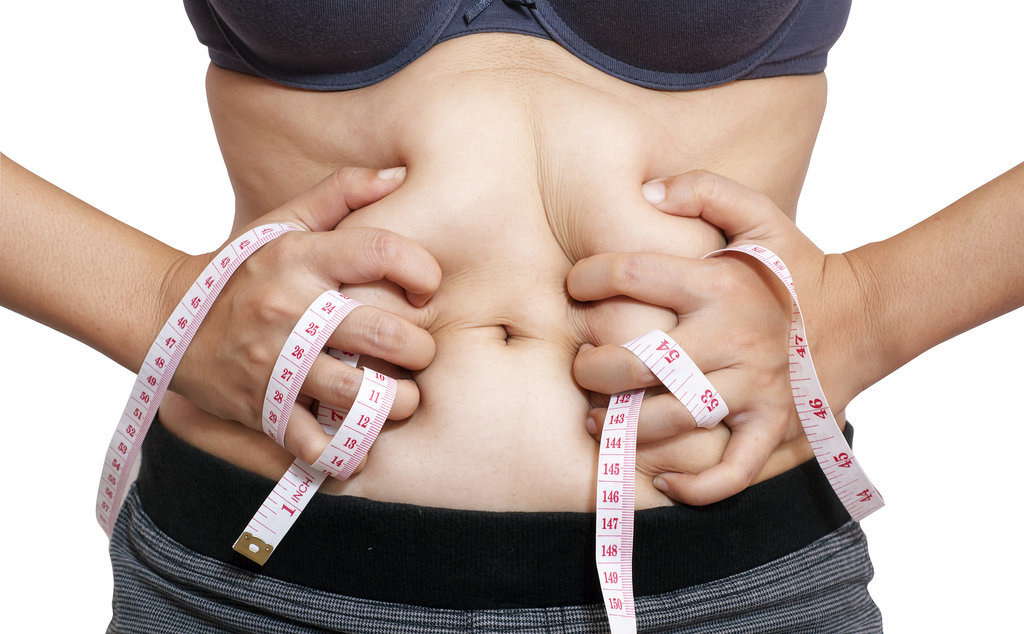
In the conventional mainstream dieting world most of our big name diet plans are set up in accordance to the “calories in/calories out” mantra. They profess that if you want to lose weight you simply must adhere to eating fewer calories and/or burning more calories than you take in. And although this theory might look quite promising on paper, due to the fact that it’s quite easily understood, it’s highly misleading.
In fact, research clearly shows that hormones influence our appetite and how much potential fat we end up storing on our bodies. Therefore, weight loss is tied largely to controlling the hormones that dictate when, what, and how much you eat, rather than a simple “calories in/calories out” math equation. (1, 2, 3)
Let’s take a look at the 3 hormones that play a key role in this process and some clear action plans you can take that can help prevent you from falling victim to the hormonal disruption that will ultimately lead to unnecessary weight gain.
Insulin is a hormone produced by the beta cells of your pancreas. It’s secreted in small amounts throughout the day and in larger amounts after meals. This particular hormone allows your body to use sugar (glucose) from carbohydrates in the food that you eat for energy or storage, depending on what is needed at the time.
Insulin is also the body’s main fat regulating hormone. It tells fat cells to store fat, and also prevents stored fat from being broken down.
When cells become insulin resistant, which is very common in society today, both blood sugar and insulin levels go up significantly and stay elevated.
Chronically elevated insulin, which is termed hyperinsulinemia, is proven to lead to elevated fat storage and weight gain as well as many metabolic health issues, including insulin resistance, metabolic syndrome, type II diabetes and obesity. (4, 5)
A diet high in sugar, refined carbohydrates, and fast food is the driving force behind increased insulin levels and insulin resistance. (6, 7)
Leptin is a hormone produced by our fat cells which plays a crucial role in appetite and weight control. It’s considered a “satiety hormone” and has two major functions (reducing appetite and making you feel full).
This hormone communicates directly with the hypothalamus, the portion of the brain that plays an important role in the regulation and control of hunger and appetite. How it does this is by signaling the brain that there’s enough fat in storage and no more is needed, which helps prevent overeating.
Most people who are overweight or obese usually have a fairly high level of leptin in their blood. In fact, one study found that leptin levels in obese people were as much as four times greater than in people of normal weight. (18)
Because leptin reduces appetite, you would think that obese people, having a higher circulating leptin level, would naturally start to eat less and therefore lose weight. However, for obese individuals the leptin system is malfunctioned. This disconnect is referred to as leptin resistance. (19)
When the leptin signal is impaired, the message to stop eating doesn’t get through to the brain. Therefore, the brain doesn’t realize you already have enough energy stored. So, in essence, your brain thinks you’re starving, and therefore you’re driven to eat. (20)
Leptin levels are also reduced when you lose weight, which is one of the reasons it is so hard to maintain weight loss in the long-term. The brain once again thinks you are starving, and pushes you to eat more in order to produce more leptin. (21)
Two prospective causes of leptin resistance being heavily looked at are chronically elevated insulin levels and inflammation, particularly in the hypothalamus region of the brain. (22, 23)
Ghrelin is termed by many professionals in the nutrition industry as the hunger hormone. When your stomach is running on E, it releases this rather fast acting hormone, which then sends a messaging signal to the hypothalamus, a region in the brain that controls body temperature, thirst, hunger, and other homeostatic systems, telling you to eat. (29)
Normally, ghrelin secretion is highest before eating and lowest about an hour after you’ve had a meal. However, in overweight or obese people, fasting ghrelin levels can often times be lower than in people of normal weight. (30)
Numerous studies also indicate that people who are overweight or obese have only a slight decrease in ghrelin after a meal. What this suggests is that the hypothalamus doesn’t receive a strong enough signal to stop eating, which then in turn leads to overeating. (31)

Get instant access to cutting edge Nutrition, Fitness and Health tips and YES even Healthy Recipes.