
Get instant access to cutting edge Nutrition, Fitness and Health tips and YES even Healthy Recipes.
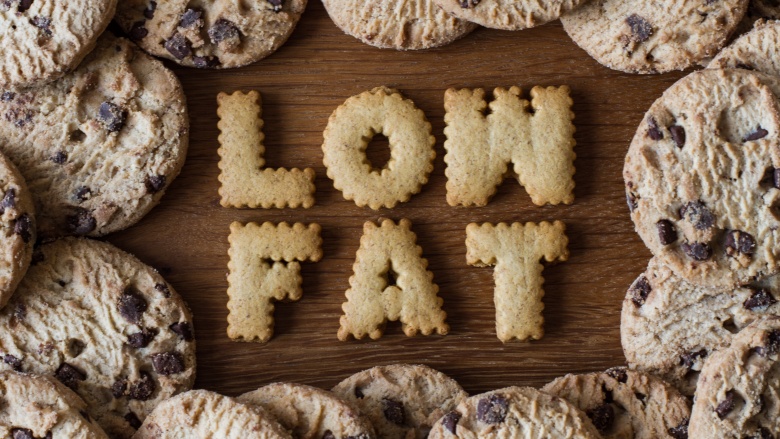
And How They Quietly Destroy Your Metabolism…
For decades, we’ve been told the same lie:
“If you want to lose fat, you need to eat less fat.”
It sounds logical.
It sounds scientific.
And it’s completely wrong.
Low-fat diets don’t just fail to create long-term fat loss — they actively break the body’s metabolic system, increase hunger, destabilize hormones, and make weight regain almost inevitable.
If low-fat dieting worked, obesity wouldn’t have exploded over the last 40 years.
It did.
Here’s the truth no one explained to you.
In the late 1970s, dietary guidelines told Americans to cut fat — especially saturated fat — from their diets.
Butter was demonized.
Eggs were feared.
Red meat was blamed.
Full-fat dairy disappeared.
Food companies rushed to comply.
But when fat was removed from food, flavor disappeared.
So manufacturers replaced fat with something else:
👉 Sugar.
👉 Refined carbohydrates.
👉 Chemical thickeners and fillers.
The result?
America didn’t get leaner — it got sicker.
Your body doesn’t gain fat because you ate fat.
It gains fat because your hormones are signaling storage instead of burning.
Dietary fat plays a critical role in controlling those hormones.
When fat intake is too low:
Translation:
👉 You get hungrier
👉 You burn fewer calories
👉 You store more fat
👉 You feel tired, foggy, and frustrated
This isn’t willpower failure.
It’s biology doing exactly what it’s designed to do under stress.
Fat slows digestion and stabilizes blood sugar.
When you remove it:
That’s why low-fat dieters are:
And eventually?
They break.
Not because they’re weak — but because the diet created an unsustainable hormonal environment.
Your body literally builds hormones from fat and cholesterol.
That includes:
Chronically low-fat diets can lead to:
You cannot diet your way to hormonal health by removing the raw materials your body needs to function.
Low-fat dieting conditions people to:
That creates disconnection — not mastery.
And disconnected eaters never win long-term.
When fat is reintroduced correctly — alongside protein and fiber — something powerful happens:
This isn’t keto extremes.
This isn’t butter in coffee.
This isn’t calorie obsession.
It’s biologically appropriate nutrition.
Your body doesn’t need less fat.
It needs the right fats, in the right context.
Low-fat diets are easy to market.
They promise:
But they don’t deliver metabolic repair.
They deliver short-term weight loss, followed by:
That’s not a solution.
That’s a cycle.
Low-fat diets don’t fail because people fail.
They fail because they violate human biology.
If you’ve tried low-fat eating and felt:
There’s nothing wrong with you.
You were following broken advice.
Real fat loss doesn’t come from eating less fat —
It comes from fixing your metabolism.
And that starts with understanding how your body actually works.

Get instant access to cutting edge Nutrition, Fitness and Health tips and YES even Healthy Recipes.