
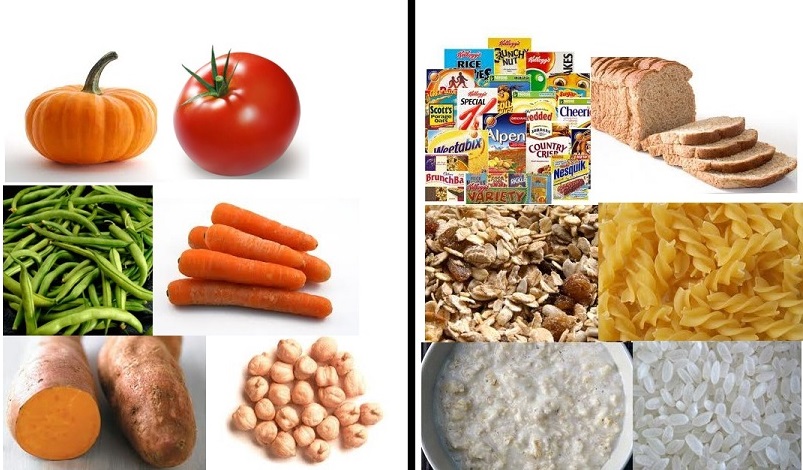
Not All Carbs Are Created Equal
Do you obsessively count carbs? The good news is you probably don’t need to if you are choosing the right ones. Research suggests that the answer to weight gain and metabolic disease lies heavily on what types of carbohydrates we eat.
While the truth is, there is plenty of health benefits associated with eating carb-containing foods, that only applies if you’re eating the right type.
Therefore, while some higher carb diets may be highly nutritious and even helpful for weight management, others can be downright hormonally disruptive and detrimental to your weight and health.
What Are Carbs?
Carbohydrates or what most refer to as carbs are one of three macronutrients that provide the body with calories. The other two being protein and fat. They are usually divided into two types: complex and simple. This is based on their chemical structure and reflects how quickly they’re digested and absorbed.
However, within these two types there are three separate classifications:
- Sugars: Individual sugar molecules or short chains of sugar molecules. These include glucose, fructose, galactose and sucrose.
- Starches: Longer chains of carbohydrate molecules that need to be broken down by the body.
- Fiber: A uniquely diverse group of carbohydrates that the body is unable to digest.
Each gram of carbohydrates provides the body with four calories and the primary function of these types of calories is to provide energy for the body.
And while most carbs are broken down into glucose in the digestive system to provide fuel for the body, fiber, being a non-digestible polysaccharide goes through the system largely intact, therefore providing little to no calories.
Carb Confusion
One of the main reasons why there is so much confusion in regards to carbs is that not all carbs are created equal.
The way carbs are normally classified is by the terms complex or what is referred to as (good carb) or simple meaning (bad carb). An example of this is that most people associate starch and fiber as complex carbs and all sugars as simple carbs.
However, this definition can be a little misleading. While some starches like sweet potatoes, quinoa and legumes provide many health benefits, other starches like refined wheat flour is associated with rapid blood sugar spikes and major hormonal imbalances that lead to many metabolic and chronic health issues.
Additionally, not all sugars have the same effect on your body. Added sugars like those found in baked goods and sugary drinks can be profoundly harmful to your health. However, some natural sugars found in things like vegetables and fruit seem not pose the same negative effects. (1, 2, 3, 4)
Therefore, it seems more appropriate to define complex and simple carbs in these terms:
- Complex carbs: Carb-containing foods that are in their whole, unprocessed form. Foods in this category include fruits, vegetables and legumes.
- Simple carbs: Sugars and starches that have been refined and stripped of their natural fiber and nutrients.
Complex vs. Simple
Complex carbs tend to be healthier than simple carbs because they are generally nutrient dense. What this essentially means is they contain a fairly generous supply of nutrients in relationship to the number of calories they provide.
Whole grains, vegetables, fruits and legumes are highly nutritious foods that are rich in vitamins, minerals, fiber and antioxidants. However, simple carbs contain what is referred to as “empty calories” meaning calories with little to no nutritional value.
To highlight the nutritional differences between complex and simple carbs, let’s compare whole grains and refined grains.
First a whole grain contains three distinct parts:
- Germ: The seed portion of the grain that’s high in polyunsaturated fats and various important nutrients.
- Endosperm: The inner portion of the grain that’s mostly made up of starch.
- Bran: The hard outer portion of the grain that’s high in fiber and essential fatty acids.
The germ and bran of a grain are where the majority of its nutrition is found. However, when grains are processed and refined, the highly nutritious germ and bran are removed, leaving only the endosperm, a pure, refined starch, capable of spiking blood sugars faster and higher than sucrose (table sugar).
Similarly, the same is true for fruits and vegetables. In their whole forms, they contain small amounts of fructose, but they are also packed with vitamins, minerals and fiber. Conversely, processed foods and sugary beverages contain large amounts of sugar and absolutely no nutrients.
These added sugars end up becoming a primary catalyst for many of modern chronic and metabolic health problems society seems to be struggling with today. (5, 6, 7, 8)
Carbs are NOT essential
First of all, just to set the record straight, it is scientifically proven that carbs, whether they’re in the complex or simple form, are NOT an essential nutrient. Therefore, even though carbs generally make up nearly 60 percent of the American diet, the lower limit of dietary carbohydrates compatible with sustaining life is ZERO, provided, of course, that adequate amounts of protein and fat are consumed. However, eating the right types of carb containing foods has been shown to be quite beneficial for your health.
Complex Carbs and Blood Sugar
Simple carbs are digested and absorbed very quickly, causing a rapid spike in blood sugar. This rapid spike stimulates your pancreas to release a large dose of insulin, which, in turn, leads to a “blood sugar crash” a few hours later. This crash then ends up leaving you feeling tired and hungry and craving more sugar. (9, 10)
However, fiber-rich, complex carbs take much longer to break down than simple carbs. This helps shield and slow down the absorption of sugars into the blood stream, helping stabilized blood sugar and insulin levels. (11, 12)
Additionally, because complex carbs are digested more slowly, they provide a more sustained energy balance while helping you feel fuller longer. (13)
Complex Carbs and Disease Risk Factors
Consuming complex carbs may help lower your risk of chronic diseases. They tend to be high in dietary fiber, vitamins, minerals, antioxidants and plant compounds. All of these components play a role in disease prevention. (14, 15)
Furthermore, studies have found that eating whole food high in dietary fiber help lower and stabilize blood sugars while lowering LDL (bad) cholesterol and raising HDL cholesterol. (16, 17, 18)
Complex Carbs and Gut Health
There are billions of good bacteria that line your intestines, which are known as your gut microbiota. These bacteria play a major role in managing several digestive disorders and have been linked to various other aspects of health.
Soluble fibers found in complex carbs feed these beneficial bacteria and increase their presence in your gut. They also help the bacteria produce nutrients, such as short-chain fatty acids which are beneficial for digestive health. (19)
Complex Carbs Help Reduce Inflammation
Inflammation is part of the body’s natural response mechanism to help fight against injuries or infection. However, acute, chronic inflammation is a leading risk factor in several metabolic and chronic issues. And while sugar, refined flours and refined carbs promote a major inflammatory response, complex carbs tend to help alleviate inflammation. (20, 21)
Therefore, single-ingredient whole grains, fruits, vegetables and legumes, which contain natural dietary fiber and plant compounds, are shown to have anti-inflammatory properties. (22, 23)
Simple Carbs and Their Negative Health Effects
Simple carbs like refined grains and added sugars are quite damaging for your body. Here are just a few of the detrimental health effects of simple carbs:
- Produce major blood sugar swings: Simple carbs break down quickly and cause major blood sugar spikes and crashes. Studies have found that these blood sugar spikes and crashes contribute to low energy, mood swings, cravings, hunger and overeating. (24)
- Form high triglyceride levels: Large amounts of refined carbs can lead to elevated triglyceride levels, which increase the risk of heart disease and type II diabetes. (25, 26)
- Increased heart disease risk: Sugar and refined grains increase heart disease risk. A study found those who ate the most refined grains were 2–3 times more likely to develop heart disease than those who ate the least. (27, 28)
- Increased type II diabetes risk: Excessive consumption of simple carbs can cause your cells to become resistant to insulin, which greatly increases your risk of type II diabetes. (29, 30)
- Increased over-all appetite: Simple carbs harm the hormones that regulate appetite, making them likely to contribute to weight gain and obesity. (31, 32)
Carbs to Eat and Carbs to Avoid
Carbs can be a healthy part of your diet but only if you’re choosing the right ones. The healthiest choices are those found in their whole, unprocessed form.
Carbs to Eat
The following foods are good carbs to include in your diet:
- Whole grains: Whole, unprocessed grains like oats, quinoa, barley, amaranth, brown rice, wild rice, etc.
- Legumes: Lentils, black beans, kidney beans, black-eyed peas, etc.
- Vegetables: Sweet potatoes, broccoli, green beans, cauliflower, brussel sprouts, asparagus, etc.
- Fruits: Apples, oranges, berries, plums, pears, grapefruit, etc.
- Nuts and seeds: Almonds, walnuts, pecans, sunflower seeds, pumpkin seeds, flaxseeds, chia seeds, etc.
Carbs to Avoid
These foods are highly refined and should be eliminated, or at the very least reduce to a minimal level:
- Sugary beverages: Soda, sweetened tea, sports drinks, fruit juices, etc.
- Desserts and snack foods: Donuts, cakes, cookies, crackers, chips, pretzels, ice cream, candy, etc.
- Commercial Breads: This includes “white or wheat” bread.
- Pastas: These are made from refined wheat flour.
Take Home:
Complex carbs are far more nutritious than simple carbs. They’re high in nutrients and fiber, and consuming them on a regular basis can be beneficial to better health and weight maintenance. On the other hand, simple carbs provide little to no nutritional value and should be avoided as much as possible.