
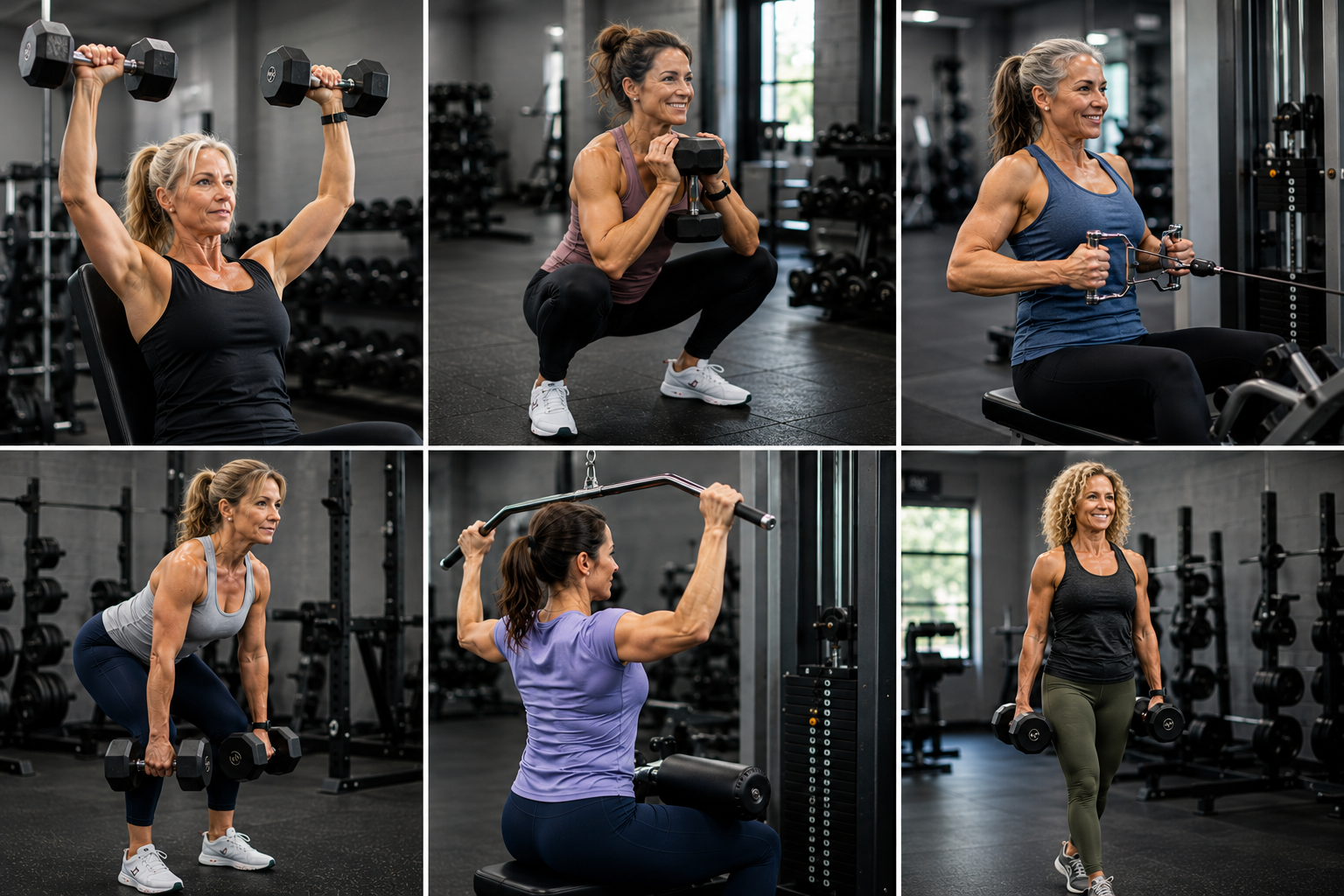
The Biggest Myth Keeping Women Out of the Weight Room
One of the biggest misconceptions in fitness is the belief that women should avoid strength training because they are afraid of getting bulky.
As a coach, I still hear this concern on a regular basis, especially from women who are new to resistance training. Unfortunately, this fear has discouraged countless women from participating in one of the most beneficial forms of exercise available.
The reality is that building significant amounts of muscle is extremely difficult.
It requires years of consistent progressive training, proper recovery, a calorie surplus, favorable genetics, and hormone levels that most women simply do not possess. Women naturally produce only a fraction of the testosterone that men do, which makes gaining large amounts of muscle mass far more challenging than most people realize.
In fact, even for men, building muscle is not nearly as easy as many people believe.
I have personally been strength training for decades. I pay attention to my workouts, my nutrition, my recovery, and my overall health, yet gaining significant amounts of muscle has always required tremendous effort and consistency. Muscle growth is a slow biological process. It does not happen accidentally, and it certainly does not happen from lifting weights a few days per week.
What resistance training actually does for most women is improve body composition.
As women build or preserve lean muscle tissue and reduce body fat, the body often becomes firmer, stronger, and more defined. The result is typically a leaner appearance, not a bulkier one. In many cases, the changes show up more in how clothing fits than in the number displayed on the scale.
The benefits extend far beyond appearance.
Research consistently demonstrates that resistance training helps improve bone density, which is particularly important for women as they age and face an increased risk of osteoporosis. Strength training also improves insulin sensitivity, helps regulate blood sugar levels, supports metabolic health, enhances balance and coordination, and helps preserve the muscle mass that naturally declines with age.
This last point is especially important.
Beginning around age 30, adults gradually start losing muscle mass unless they actively work to preserve it. This process, known as sarcopenia, accelerates with age and contributes to weakness, reduced mobility, loss of independence, and a lower quality of life. Resistance training is one of the most effective tools we have to slow or even reverse this process.
Ironically, many women spend years trying to lose weight through endless cardio while avoiding the very thing that would likely help them the most.
Lean muscle tissue is metabolically active. It helps support a healthy metabolism, improves the body’s ability to utilize carbohydrates, and contributes to better overall body composition. While strength training is not a magic solution, it is one of the most valuable investments a woman can make in her long-term health and fitness.
The truth is that most women are far more likely to benefit from having additional muscle than they are to accidentally develop too much of it.
If your goal is to become stronger, improve your health, maintain your independence, support healthy aging, and create a leaner physique, resistance training deserves a place in your weekly routine.
The fear of getting bulky has kept too many women away from the weight room for far too long.
It’s time to put that myth to rest.
Bottom Line
Most women do not need to fear strength training. They need to embrace it.
The physiological reality is that women are far more likely to struggle with losing muscle as they age than they are to accidentally gain too much of it. Resistance training helps build strength, preserve muscle, improve metabolic health, protect bone density, and support a higher quality of life for decades to come.