
Get instant access to cutting edge Nutrition, Fitness and Health tips and YES even Healthy Recipes.
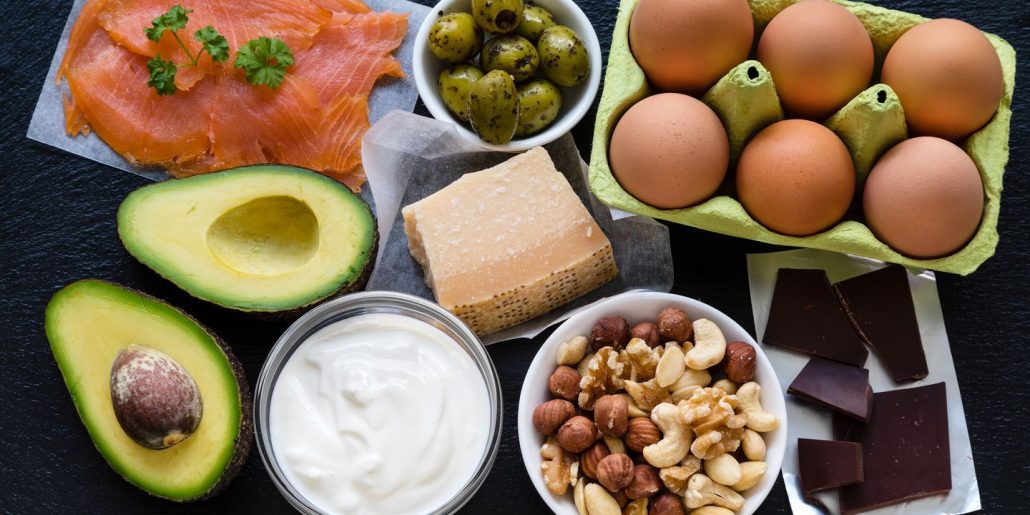
The keto diet has become one of the most popular methods today to shed excess weight and improve health.
Therefore, if you find yourself in a conversation about dieting or losing weight, chances are you’ll hear the word keto. Research has demonstrated that adopting to this low-carb, high-fat eating style can promote rapid fat loss and even improve certain health conditions such as type 2 diabetes and cognitive decline. (1, 2)
In this article I will breakdown what type of foods to eat and which ones you need to avoid while following a ketogenic diet.
The keto diet, as a rule, is very low in carbs, high in fat and moderate in protein. When following a ketogenic diet, carbs are typically reduced to under 50 grams per/day, though stricter and looser versions of the diet do exist. (3)
Fats should replace the majority of cut carbs and deliver approximately 75 percent of your total daily calories. Proteins should account for around 20 percent of energy needs, while carbs are usually restricted to 5 percent or less.
This carb reduction forces your body to rely on fats for its main energy source instead of glucose, a metabolic state known as ketosis.
While in ketosis, your body uses ketones —molecules produced in the liver from fats when glucose is limited — as an alternate fuel source.
Although fat is often avoided for its high calorie content, research shows that ketogenic diets are significantly more effective at promoting weight loss than low-fat diets. Plus, keto diets reduce hunger and increase satiety, which can be particularly helpful when trying to lose weight. (4, 5)
Switching over to a ketogenic diet can seem overwhelming, but it doesn’t have to be difficult. Your focus should be on reducing carbs while increasing the fat and protein content of meals and snacks.
In order to reach and remain in a state of ketosis, carbs must be restricted. And while certain people might only achieve ketosis by eating less than 20 grams of carbs per day, others may be successful with a much higher carb intake. Generally though, the lower your carbohydrate intake, the easier it is to reach and stay in a state of ketosis.
This is why sticking to keto friendly foods and avoiding carbohydrate rich food is essential to successfully weight loss on a ketogenic diet.
When following a ketogenic diet, meals and snacks should center around these following foods:
The following foods should be restricted:
Though carbs should be restricted, low-glycemic fruits such as berries can be enjoyed in limited amounts as long as you’re maintaining a keto-friendly macronutrient range.
Be sure to choose healthy food sources and steer clear of processed foods and unhealthy fats.
The following items should be avoided:
Sugar can be found in a wide variety of beverages including juice, soda, iced tea and coffee drinks. While on a ketogenic diet, high-carb drinks must be avoided just like high-carb foods. It’s no small matter that sugary beverages have also been linked to various health issues, from obesity to an increased risk of diabetes. (6, 7, 8)
Thankfully, there are many tasty, sugar-free options for those on the keto diet.
Keto-friendly beverage choices include:
If you want to add some extra flavor to your water, try experimenting with different keto-friendly flavor combinations. For example, tossing some fresh mint and lemon peel into your water bottle can make hydration a breeze.
And although alcohol should be restricted, enjoying a low-carb drink like vodka or tequila mixed with soda water is perfectly fine on occasion.
Snacking between meals can help moderate hunger and keep you on track while following a ketogenic diet. Because the ketogenic diet is so filling, you may only need one or two snacks per day, depending on your activity level.
Here are some excellent, keto-friendly snack options:
Although these Keto-friendly snacks can help you maintain fullness between meals, they can also contribute to weight gain if you’re over snacking throughout the day. So, just remember to use these snacks moderately.
A well-rounded ketogenic diet should include lots of fresh produce, healthy fats and proteins. Choosing a mixture of both fresh and frozen produce will ensure that you have a supply of keto-friendly vegetables and fruits to add to recipes.
The following is a simple ketogenic shopping list that can guide you when perusing the grocery aisles:
It’s always worthwhile to plan your meals ahead of time and fill your cart with the ingredients needed for a few days’ worth of healthy dishes. Plus, sticking to a shopping list can help you avoid tempting, unhealthy foods.
A healthy ketogenic diet should consist of about 75 percent fat, 20 percent protein and only 5 percent or less than 50 grams of carbs per day, preferable closer to 20 grams.
Focus on high-fat, low-carb foods like eggs, meats, full-fat dairy and low-carb vegetables, as well as sugar-free beverages. Additionally, be sure to restrict highly processed items and unhealthy fats.
The popularity of the ketogenic diet has made it easier than ever to find a wide selection of interesting and healthy keto meal ideas online.
Although keto is not for everyone, if you’re planning to try the ketogenic diet than using this article can help you transition to it a little more mindful and comforting.

Get instant access to cutting edge Nutrition, Fitness and Health tips and YES even Healthy Recipes.