
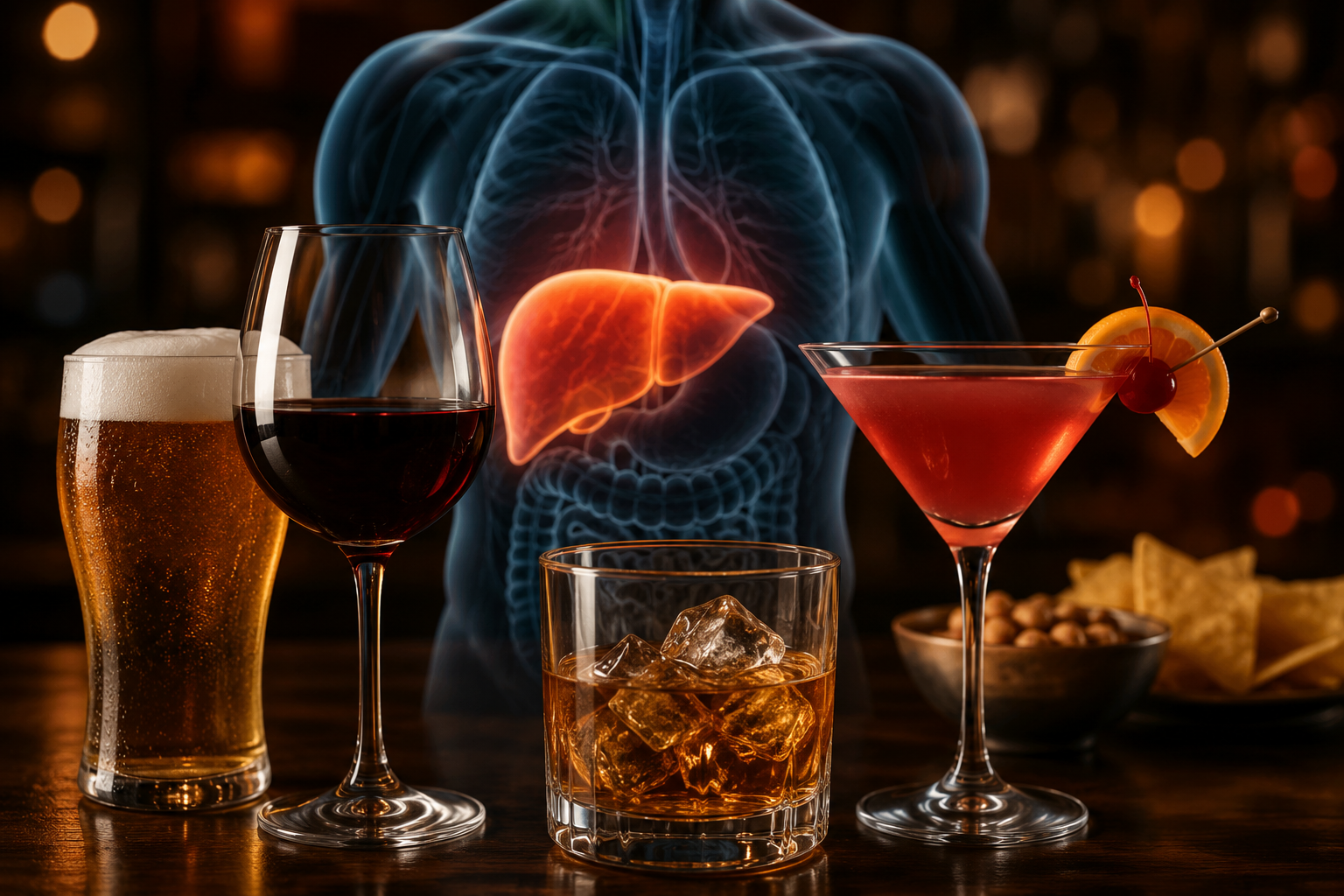
The Truth About Alcohol: What It’s Really Doing to Your Body, Metabolism and Waistline
If you’re working hard to lose body fat, improve your health, build muscle, or simply make better nutrition choices, you’ve probably asked yourself this question at some point:
Can I still enjoy an occasional alcoholic beverage and achieve my health and fitness goals?
It’s a great question, and one I hear regularly from clients.
The answer is yes—but like most topics in nutrition, the complete answer requires a little more explanation.
Whether alcohol supports or interferes with your progress depends on several factors, including how often you drink, how much you consume, the beverages you choose, and perhaps most importantly, whether you understand how alcohol affects your body after you take that first drink.
Alcohol has been part of human culture for thousands of years. It has become a common part of weddings, birthdays, vacations, sporting events, backyard cookouts, business dinners, and holiday celebrations. For many adults, enjoying an occasional drink is simply part of life.
Because of that, I don’t believe living a healthy lifestyle means you must eliminate every food or beverage you enjoy. My philosophy has never been about creating unrealistic rules that people can’t maintain. Instead, it’s about helping people understand how their bodies work so they can make informed decisions that support their long-term health without feeling deprived.
Unfortunately, alcohol is one of the most misunderstood topics in nutrition. Some people believe that any amount of alcohol instantly ruins a healthy lifestyle, while others assume certain drinks are harmless because they’re marketed as “light,” “low carb,” or “skinny.” Neither belief tells the whole story.
An occasional drink isn’t likely to erase weeks of healthy eating or consistent exercise. At the same time, alcohol affects your metabolism differently than protein, carbohydrates, and fat. Understanding those differences can help explain why alcohol sometimes slows progress toward body fat loss, muscle development, and improved metabolic health.
To understand why, we first need to understand how your body views alcohol.
Alcohol Is Unlike Any Other Source of Calories
Most people are familiar with the three macronutrients that provide energy for the body: protein, carbohydrates, and fat. Protein and carbohydrates each provide approximately four calories per gram, while fat provides nine calories per gram.
Alcohol also provides energy, supplying approximately seven calories per gram. That makes it second only to fat in calorie density.
For many people, that’s where the conversation ends. They assume alcohol is simply another source of calories that should be counted like everything else.
In reality, that’s only part of the story.
One of the most important lessons I’ve tried to teach throughout my career is that nutrition is about much more than counting calories. Calories certainly matter, but equally important is understanding how your body responds after those calories are consumed. Two foods—or beverages—with identical calorie counts can produce very different physiological responses.
Here’s something many people don’t realize.
Your body has ways to store carbohydrates as glycogen inside your muscles and liver for future energy. Excess dietary fat can be stored within adipose tissue and used later when your body needs it. Protein supplies the amino acids required to build and repair muscle tissue, manufacture enzymes, produce hormones, and support countless other functions that keep you healthy.
Alcohol is different.
Your body has virtually no storage system designed specifically for alcohol. Instead, once alcohol enters your bloodstream, your liver immediately begins working to metabolize and remove it. That single fact explains many of alcohol’s effects on metabolism and body composition.
Why Your Metabolism Changes Priorities
Many people assume alcohol causes weight gain simply because it contains calories. While those calories certainly contribute to your overall energy intake, the more important story is how your metabolism responds after alcohol enters your bloodstream.
Imagine you’re spending the afternoon cleaning your house. You’re vacuuming, folding laundry, organizing the kitchen, and wiping down the countertops when suddenly a pot of chili boils over on the stove. You don’t continue vacuuming while chili runs across the stovetop. You immediately stop what you’re doing because cleaning the spill has become the highest priority.
Your liver responds in much the same way.
Because your body cannot safely store alcohol, your liver temporarily shifts its attention toward metabolizing alcohol before returning to its normal responsibilities. Carbohydrates, fats, and proteins don’t suddenly stop being metabolized, but alcohol temporarily moves to the front of the line.
Understanding this concept makes many of alcohol’s effects on body composition much easier to understand.
How Alcohol Can Slow Fat Loss
You’ve probably heard someone say that alcohol “stops fat burning.” While that statement certainly gets attention, it oversimplifies what actually happens.
A more accurate explanation is that alcohol temporarily reduces fat oxidation because your body prioritizes metabolizing alcohol before returning to its normal balance of burning carbohydrates and fat for energy.
Think of your metabolism as having several fuel sources available throughout the day. Under normal circumstances, your body continuously adjusts how much carbohydrate and fat it burns based on your activity level, the foods you’ve eaten, and your energy needs.
When alcohol enters the picture, however, your body temporarily shifts its attention toward burning alcohol first. During this period, less stored body fat is used for energy until the alcohol has been metabolized.
For someone who enjoys an occasional drink, this temporary metabolic shift is unlikely to determine long-term success or failure. The challenge develops when drinking becomes frequent or excessive because these repeated interruptions can make it more difficult to maintain the metabolic environment that supports body fat loss.
One of the biggest mistakes I see people make is focusing exclusively on the calories contained in alcoholic beverages while overlooking everything else alcohol influences. Weight management isn’t determined by calories alone. Appetite, food choices, sleep quality, exercise recovery, hydration, and consistency all play important roles. Alcohol has the potential to influence every one of those factors, which is why its effects often extend far beyond the drink itself.
Alcohol Usually Isn’t the Problem – The Pattern Often Is
This is where many people unintentionally work against themselves.
An occasional glass of wine with dinner or a beer while watching the game is unlikely to determine whether someone succeeds or fails with their health goals. More often than not, the issue isn’t one drink. The issue is the pattern that frequently develops around drinking.
Think about a typical evening out. One or two drinks may become three or four. Those drinks are often accompanied by foods such as:
- Pizza
- Chicken wings
- Nachos
- French fries
- Cheese curds
- Burgers
- Late-night fast food
Rarely do people finish an evening of drinking by craving grilled chicken, roasted vegetables, fresh fruit, or a large salad.
There is a physiological reason for this.
Research has shown that alcohol reduces activity within the prefrontal cortex, the area of the brain responsible for judgment, planning, and impulse control. At the same time, it increases activity within the brain’s reward pathways, making highly processed foods rich in sugar, fat, and salt seem even more satisfying.
Alcohol may also influence hormones involved in appetite regulation. Although the exact response varies among individuals, studies suggest that alcohol can increase feelings of hunger while reducing sensitivity to your body’s normal fullness signals. In simple terms, you may feel hungrier while also feeling less satisfied after eating.
When these physiological changes are combined with lowered inhibitions, it’s easy to understand why someone who planned to “be good” all evening suddenly finds themselves ordering foods they never intended to eat.
Understanding this changes the conversation.
Instead of believing you simply lack willpower, you begin to recognize that alcohol temporarily influences both your metabolism and your decision-making. Once you understand how your body responds, you can begin planning ahead instead of relying solely on self-control in the moment.
That understanding is one of the first steps toward making choices that consistently support your long-term health and weight-loss goals.
Alcohol and Blood Sugar
Another area surrounded by confusion is alcohol’s effect on blood sugar. Some people believe alcohol always raises blood sugar, while others believe it always lowers it. In reality, neither statement is entirely correct because the body’s response depends on several factors, including the type of alcoholic beverage consumed, the amount of alcohol consumed, whether food is eaten at the same time, an individual’s metabolic health, and whether diabetes medications are being used.
Beverages such as regular beer, sweet wines, hard ciders, frozen cocktails, and mixed drinks prepared with sugary mixers often cause blood sugar to rise because they contain significant amounts of rapidly absorbed carbohydrates and added sugars. In many cases, the mixer contributes more sugar than the alcohol itself.
Distilled spirits such as vodka, whiskey, tequila, gin, and rum contain very little carbohydrate when consumed alone. However, that doesn’t mean they have no effect on blood sugar.
As your liver prioritizes metabolizing alcohol, it temporarily reduces its ability to release stored glucose into the bloodstream. For healthy individuals, this usually isn’t a significant concern because the body has several mechanisms that help maintain normal blood sugar levels.
However, the situation can be very different for someone living with Type 1 diabetes, Type 2 diabetes, or anyone taking insulin or certain glucose-lowering medications. Alcohol can increase the risk of delayed hypoglycemia, particularly when consumed on an empty stomach or after prolonged physical activity. In some individuals, blood sugar may continue falling several hours after drinking, sometimes during the middle of the night while they are sleeping.
If you have diabetes or another medical condition that affects blood sugar regulation, it’s important to discuss alcohol consumption with your healthcare provider. Understanding how alcohol may interact with your medications and your individual metabolic health can help you make safer decisions.
Alcohol, Muscle Recovery, and Exercise Performance
If your goal is building muscle, becoming stronger, or improving your body composition, alcohol deserves additional consideration.
Every resistance-training workout creates microscopic damage within your muscle fibers. While that may sound concerning, it’s actually a normal and necessary part of the adaptation process. During recovery, your body repairs those muscle fibers, allowing them to become stronger, larger, and more resilient over time.
This rebuilding process depends on several factors working together, including adequate protein intake, proper hydration, quality sleep, and sufficient recovery between workouts.
Research suggests that excessive alcohol consumption can interfere with several aspects of this process. Heavy drinking has been shown to reduce muscle protein synthesis, contribute to dehydration, increase inflammation, impair coordination, and reduce exercise performance during subsequent workouts. Large amounts of alcohol may also influence hormones involved in muscle repair and recovery.
It’s important to keep these findings in perspective. Enjoying a single glass of wine with dinner or having a beer while watching the game isn’t likely to erase weeks of hard work in the gym.
The greater concern is when drinking becomes frequent enough to consistently interfere with recovery, reduce workout quality, or replace habits that support muscle growth and overall health. Over time, it’s the accumulation of those small setbacks that can slow progress.
Alcohol and Sleep Quality
Sleep is one of the most overlooked components of good health, yet it influences nearly every system in your body.
Many people believe alcohol helps them sleep because they often fall asleep more quickly after drinking. While that may be true, falling asleep and obtaining restorative sleep are not the same thing.
I often compare sleep to an overnight maintenance crew working inside your body. While you’re asleep, that crew is repairing damaged tissues, regulating hormones, strengthening your immune system, consolidating memories, supporting healthy brain function, and preparing you physically and mentally for the following day.
Alcohol may help you fall asleep faster, but it often prevents that maintenance crew from completing all of its work before morning arrives.
Research consistently shows that alcohol disrupts normal sleep architecture. It can reduce rapid eye movement (REM) sleep, increase nighttime awakenings, and make sleep more fragmented as alcohol is metabolized throughout the night. As a result, many people wake feeling less rested despite spending enough hours in bed.
Poor sleep also influences several of the same factors people are trying to improve through healthy eating and exercise. It has been associated with increased hunger, stronger cravings for highly processed foods, reduced insulin sensitivity, impaired exercise recovery, decreased concentration, and lower motivation to remain physically active.
This is another example of why alcohol’s effects often extend well beyond the evening itself. The decisions you make the following day are frequently influenced by how well—or how poorly—you slept the night before.
Choosing Alcohol More Wisely
One of the questions I’m asked most often is, “If I’m going to drink, what’s my best option?”
While no alcoholic beverage should be considered a health food, some choices generally fit more easily into a healthy lifestyle because they contain less added sugar and fewer unnecessary calories.
If you choose to drink, these options are generally better choices:
- Dry red wine
- Dry white wine
- Light beer
- Vodka with sparkling water and fresh lime
- Whiskey served neat, on the rocks, or with water
- Gin with diet tonic or sparkling water
- Tequila with soda water and fresh lime
On the other hand, these beverages often contain significantly more sugar and calories:
- Margaritas
- Piña Coladas
- Frozen daiquiris
- Long Island Iced Teas
- Sweet wines
- Dessert wines
- Cocktails made with regular soda
- Cocktails prepared with fruit juice, syrups, or sweetened mixers
One simple change, such as replacing a sugary mixer with sparkling water and fresh citrus, can substantially reduce both calories and added sugar without eliminating the enjoyment of the occasion.
Practical Strategies That Can Help You Stay on Track
If you choose to enjoy alcohol occasionally, you don’t need to feel guilty about it. Instead, approach it the same way you should approach every aspect of nutrition—with planning, moderation, and intentional decision-making.
The following strategies can help minimize alcohol’s impact on your health and weight-loss goals:
- Eat a balanced meal that includes quality protein before drinking instead of drinking on an empty stomach.
- Alternate alcoholic beverages with water to improve hydration and naturally reduce alcohol intake.
- Choose drinks that contain little or no added sugar whenever possible.
- Be mindful of portion sizes, remembering that larger drinks contain more alcohol and more calories.
- Decide what you’re going to eat before you begin drinking rather than making food decisions later in the evening.
- Continue prioritizing resistance training, adequate protein intake, and overall healthy nutrition throughout the week.
- If your primary goal is losing body fat, consider limiting alcohol during periods when you’re actively trying to reduce body fat.
One evening doesn’t determine your success.
The habits you practice consistently over time do.
Bottom Line
Can you enjoy an occasional alcoholic beverage and still lose body fat, improve your metabolic health, and build muscle?
For most healthy adults, the answer is yes.
The key isn’t eliminating alcohol entirely. The key is understanding how alcohol affects your body so you can make decisions that support your long-term goals rather than unintentionally working against them.
Alcohol temporarily changes your body’s metabolic priorities. It can reduce fat oxidation while it’s being metabolized, influence appetite, affect food choices, disrupt sleep, and interfere with recovery when consumed in excess. None of those effects mean alcohol is inherently “bad,” nor do they mean an occasional drink will undo months of healthy eating and regular exercise.
After more than 45 years of coaching people through their health and fitness journeys, I’ve learned that lasting success rarely comes from following the strictest diet or avoiding every indulgence. It comes from understanding how your body works and making informed decisions consistently over time.
If you choose to enjoy an occasional adult beverage, do so intentionally. Plan ahead. Be mindful of what you drink, how much you consume, and the food choices that often accompany alcohol. Then return to the daily habits that have the greatest influence on your long-term health: eating nutritious foods, staying physically active, prioritizing resistance training, getting adequate sleep, and remaining consistent.
Health isn’t built by the occasional decision you make on a weekend. It’s built by the choices you repeat day after day, week after week, and year after year. The more you understand how your body responds to the foods and beverages you consume, the better equipped you’ll be to make decisions that support the healthy, active lifestyle you’re working so hard to achieve.
About the Author
Coach Tony is a Board-Certified Nutrition Specialist and Master Personal Trainer with over 40 years of experience in the health and fitness industry. He specializes in metabolic health, fat loss, and body composition, helping clients restore their metabolism through structured nutrition and resistance training.